Acrididae
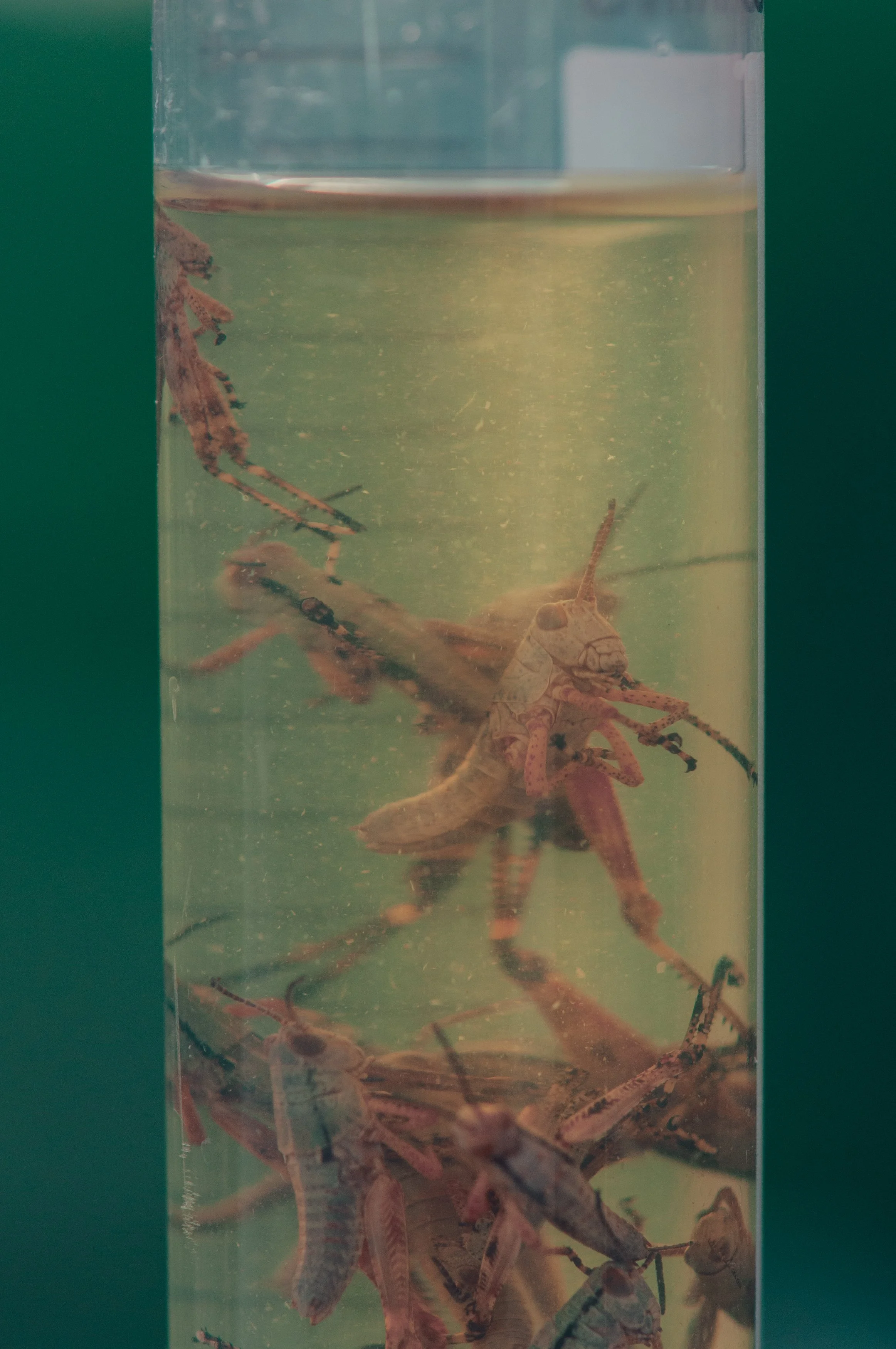
“Acquiring knowledge is never innocent” in a mortal world, as Donna Haraway notes. Every analytical process, by its very definition, requires dissecting the whole into parts. Biologists often utilize living entities as measuring tools or test objects, thereby transforming breathing creatures into scientific data.
If the researcher’s gaze extracts scientific knowledge from a critter, how then does the critter’s gaze perceive a human scientist? Eduardo Kohn argues that every living being participates in a "thought" process – defined by the capability to represent reality through signs. His approach allows us to imagine a non-human point of view and a semantic universe beyond symbolic languages by interpreting interactions between us and other creatures.
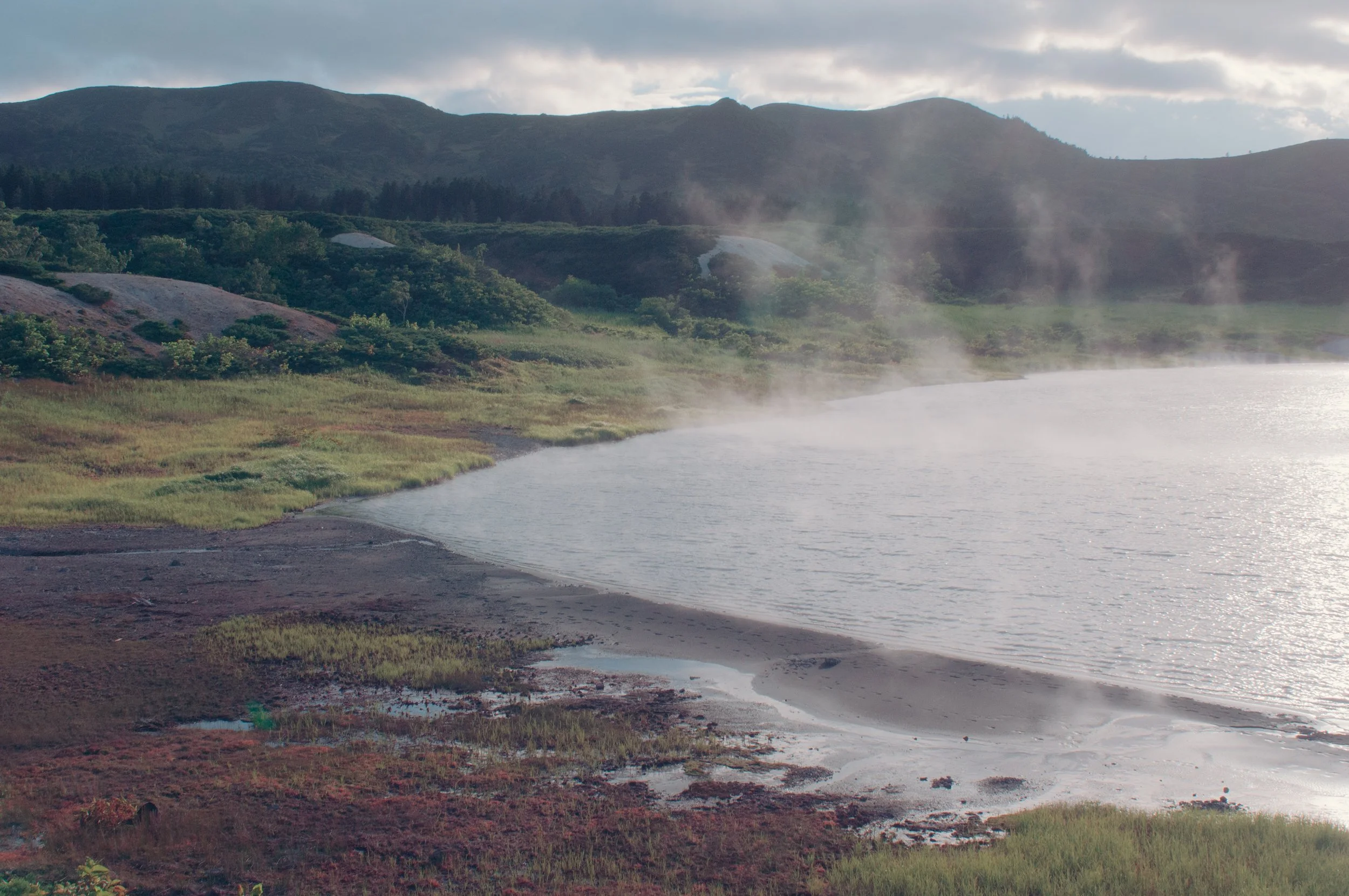
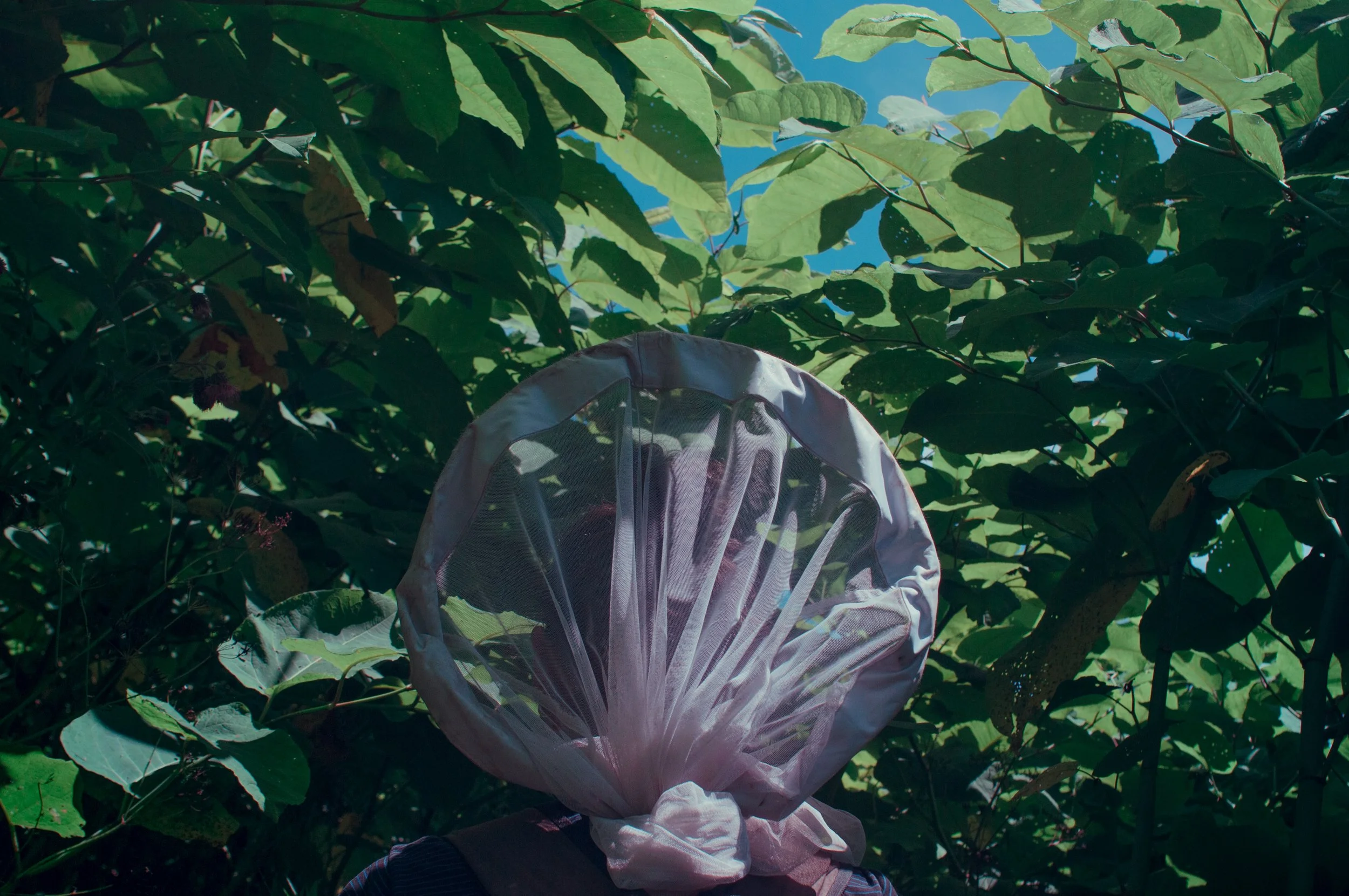
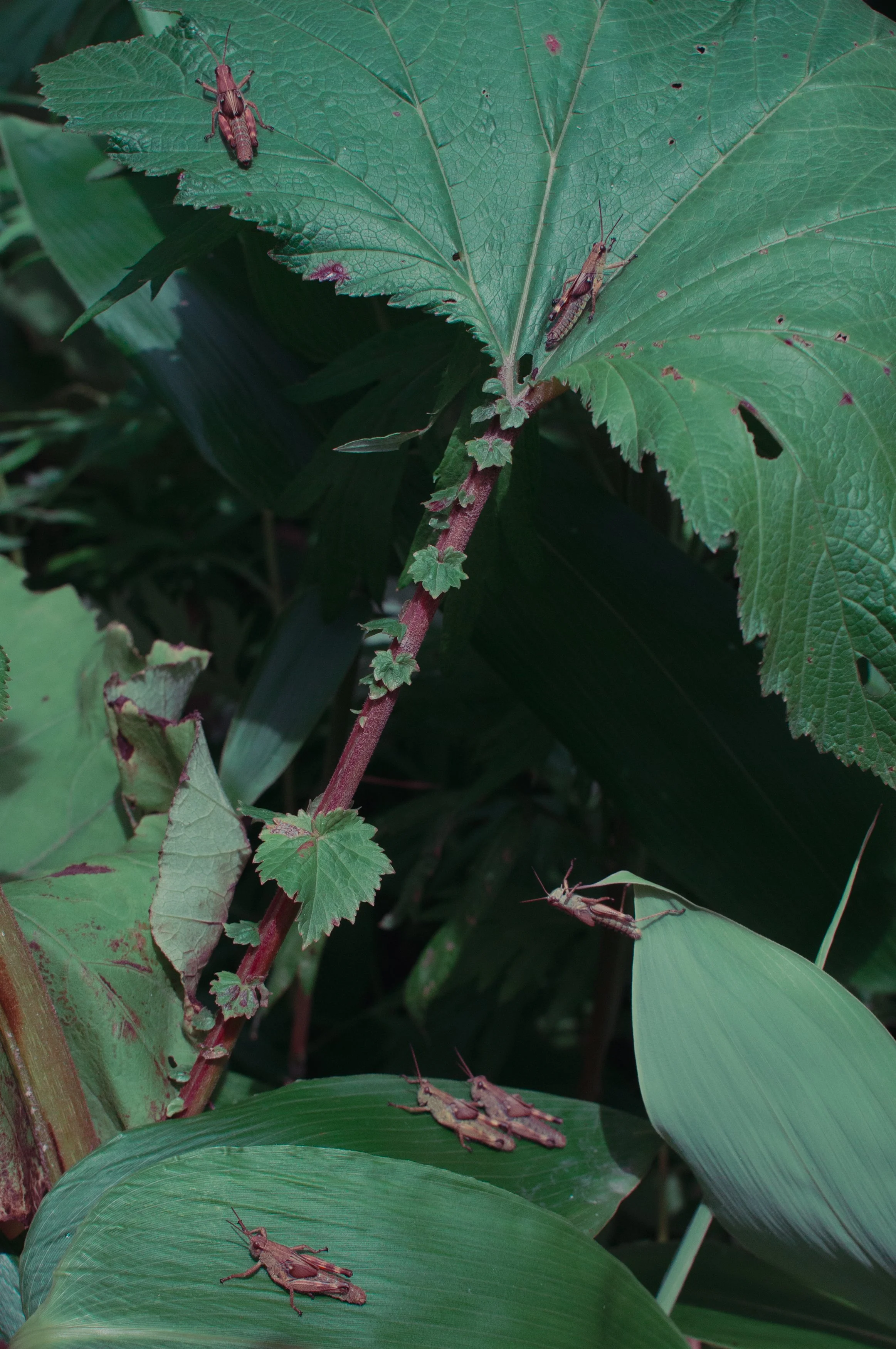
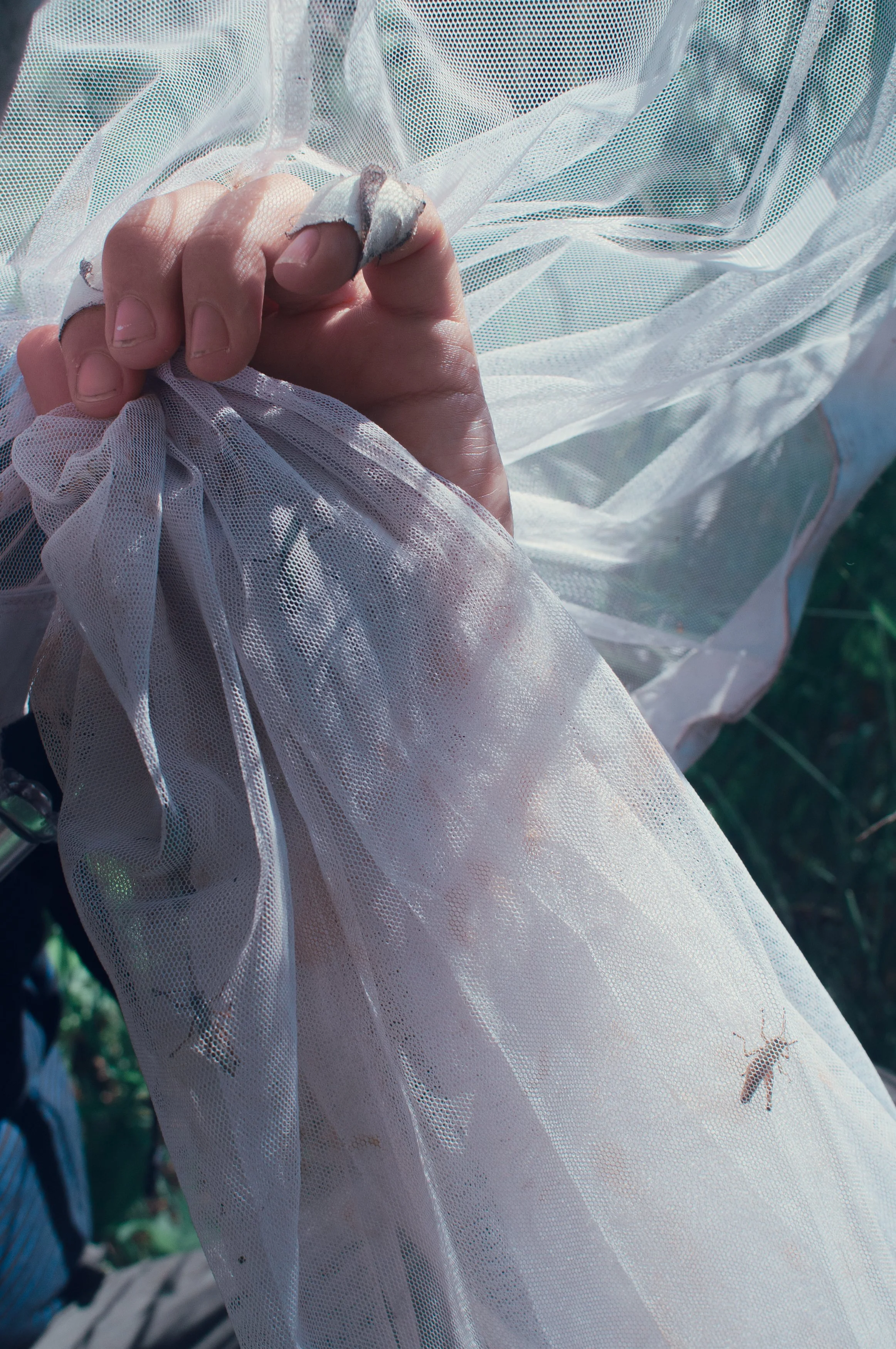
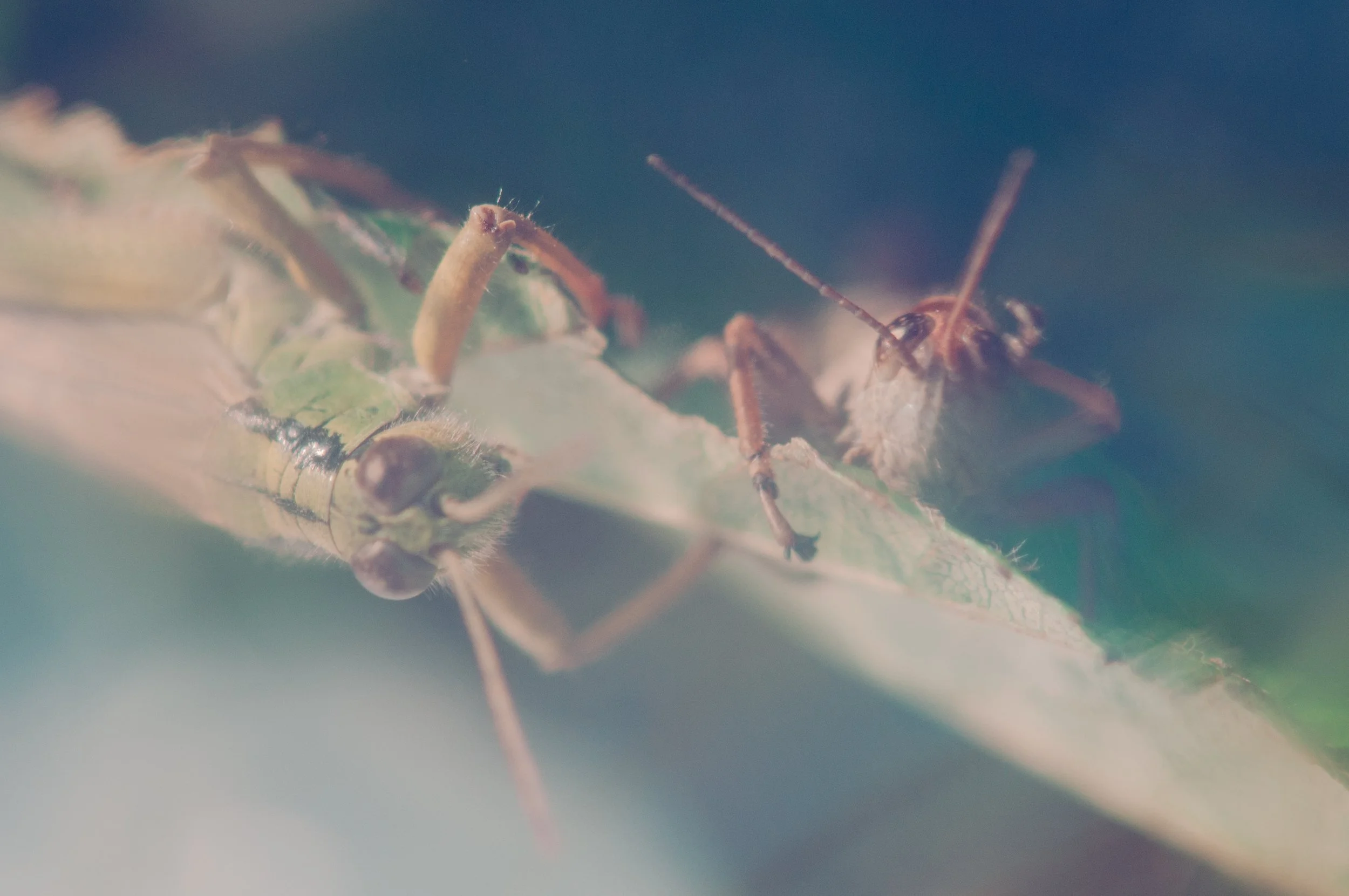
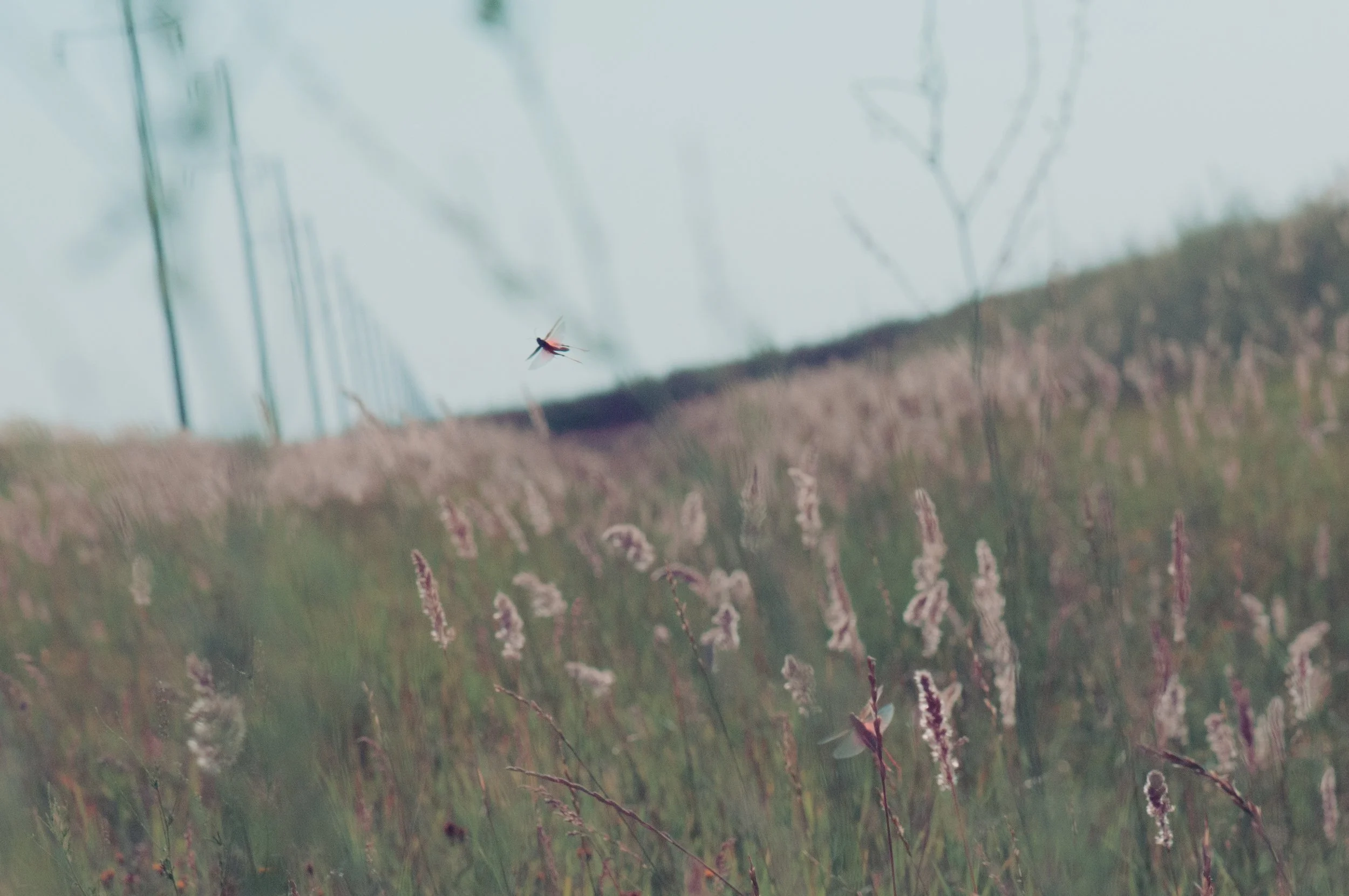
In the "Acrididae" project, I explore the clash between these two perspectives: the speculative point of view of grasshoppers from Kazakhstan and the Kuril Islands, and the scientific gaze of the biologists who study them as models of chromosome evolution. While the scientist sees "prey" or an object of investigation, the grasshopper may perceive the human as a threat, a calamity, or simply a shifting feature of their local environment.
This collision of perspectives is further layered by my own lens as a photographer and, ultimately, by the gaze of the viewer. In a way, any attempt to access a truly non-human perspective is inevitably filtered through – and perhaps buried under – the dense mass of our own human framework. My aim, however, is to provide an exercise in shifting our vision from the purely human and in imagining a different worldview where a human is just another natural phenomenon within a grasshopper’s landscape.